


Are you a student living abroad? Are you a worker with family in another country? Do you make purchases from businesses in other locations? If you’re any of these, you’ll likely need to send money abroad at some point. One of the miracles of modern technology is that it is much easier to get money across borders and even continents than ever before.

However, this doesn’t mean that it is cheap. In fact, one of the biggest pain points for those trying to send money abroad is the cost. But are there cheaper ways to send and receive funds?
How Much Does It Cost to Send Money Internationally?
If you’ve never sent money abroad, you might not know how much it could cost. There is no fixed amount, as this depends on multiple factors. First, the method of sending matters. As we’ll explain in this article, some remittance methods cost several times more than others, while others are basically free.
Several types of fees can apply when sending money.
Transfer Fee: The transfer fee is the amount of money your processor may charge you for making a cross-border transfer. Sometimes this is a fixed amount, like $5 or $10. Other times, it is a percentage of the total transfer amount. In some rare cases, it is a combination of both.
Conversion/Exchange Rate Fee: Sending money abroad means dealing with two different currencies. This could be British pounds to US dollars. Or euros to yen. This, of course, means that there will be some sort of currency conversion going on. So, there’s a fee associated with it. Many transfer service providers also charge a higher conversion rate than the typical market rate.
Intermediary Fee: When sending funds from one country to another, you may have to deal with multiple intermediaries. This could include your bank, the receiver’s bank, various transmission bodies in between, and more. In some cases, each intermediary charges a fee, which can significantly increase the cost.
Funding Fee: Depending on the financial institution you use for the transfer, you may need to pay a fee to fund a specific wallet, such as a digital wallet. Additionally, your bank may charge other fees.
Cheapest Ways to Send Money Abroad
Depending on the payment method you use, sending money abroad can cost a significant portion of the transfer amount. But here are some of the cheapest ways to go about it:
- Bank Transfers: For many, this is the most convenient way to send money immediately, as it doesn’t require moving funds from a bank account to a digital wallet or another platform. However, online bank transfers across borders are usually not as fast as options like digital wallets. On top of that, transfer fees can be significant, often up to 3.5% of the total value.
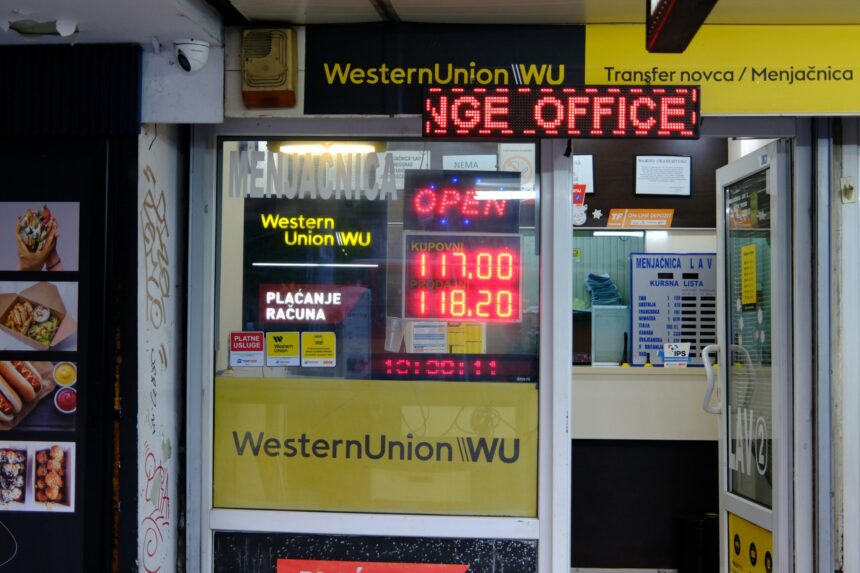
- Online Money Transfer Services: The definition of an online money transfer service varies a bit depending on who you ask, but for this article, we are referring to services like MoneyGram and Western Union. While many of these predate the internet, consumers can easily transfer money using them, though the fees associated are a bit higher, usually up to 5% of the value of the transaction.
- Digital Wallets: This includes platforms like Wise and Revolut, designed to make cross-border financial transactions as seamless as possible. If you’re making a transfer under a certain threshold (e.g., $10,000), your transfer fees can range from 0.50% to free. For many people, this is the fastest, cheapest, and most convenient method.
- Cryptocurrency Transfers: Cryptocurrency has become much more popular in recent years and is a common option for cross-border transfers. This is especially true with tokens like XRP, which were designed to send large amounts of money across borders while charging little to no fees. Depending on the cryptocurrency you choose, you can pay fractions of a penny or absolutely nothing at all.
Comparison of Methods of Sending Money Abroad
Here are some ways to send money abroad, along with their pros and cons.
Bank Transfer
Average Cost: 3–5% of total transaction volume
Pros:
- No need to create a separate account, as transfers are done directly from your bank account
- Strong regulatory oversight and consumer protection
Cons:
- More expensive than other methods
- International bank transfers can take days to settle
Best For:
- Those who value institutional protection
- Those who already hold accounts with the bank
- Those sending larger amounts
Money Remittance Services
Average Cost: 3-5% of total transaction value
Pros:
- Easy sending of money to those without bank accounts
- Quick transfer times
Cons:
- High fees
- Receiver has to appear at a physical location to claim the funds
Best For:
- Sending money to the unbanked
- Sending money in emergencies
Digital Wallets
Average Cost: 0-3% of total transaction value depending on service provider
Pros:
- Very cheap, if not free, to transfer
- Very quick settlement
Cons:
- Not always suitable for large transfers
- Fees vary depending on the provider chosen
- Requires both sender and receiver to have accounts with the same service provider
Best For:
- Sending small-to-medium amounts
- Those sending money to family
- Those needing quick and/or frequent international payments
Crypto
Average Cost: 0.5–2% of total transaction volume, depending on token used
Pros:
- Very low fees depending on token
- Quick transaction settlement
- Greater autonomy due to its decentralized nature
Cons:
- Limited to no consumer protection compared to other methods
- Market volatility
- Higher technical knowledge required
Best For:
- Those already familiar with crypto
- Those sending money outside of traditional banking hours and institutions
Conclusion
There are so many ways to send money across borders, and some are cheaper and more convenient than others. From traditional banking, which is pricier but more secure, to digital wallets that are cheaper but require account creation, there’s something for everyone. For any financial product, review the pros and cons of each and see which category fits you best. Regardless of which you choose, make sure to apply necessary security measures.